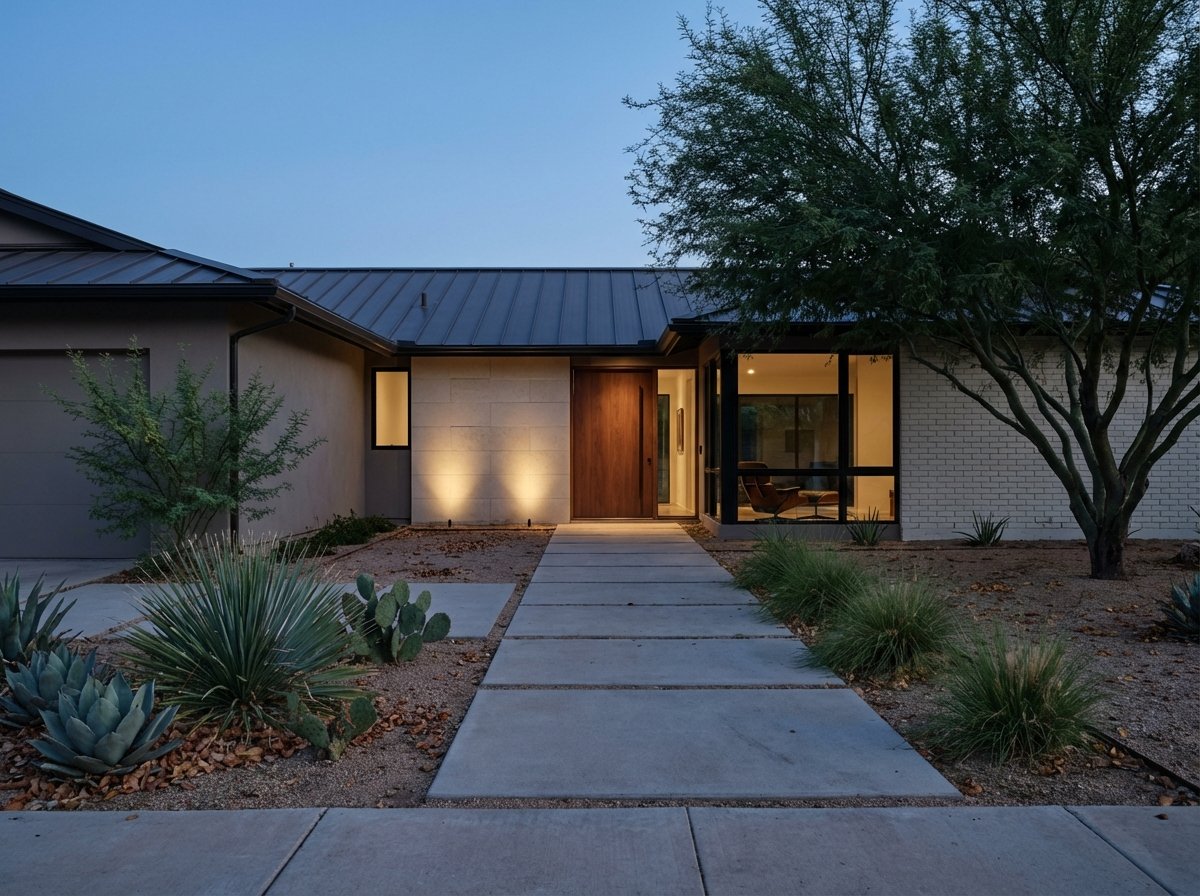
Looking at homes in Arcadia and Biltmore but unsure how to compare a classic ranch to a sleek condo or a new custom build? You are not alone. These two neighboring areas offer very different styles, costs, and maintenance realities, which can make decisions feel complex. This guide breaks down the most common home styles, what they typically mean for your budget, and how each choice can impact resale. Let’s dive in.
Arcadia and Biltmore at a glance
Arcadia sits along the south side of Camelback Mountain between roughly 44th Street and 68th Street, Camelback Road to the Arizona Canal. The neighborhood grew from former citrus groves and is known for large lots, mature shade, and irrigated yards. For properties along Camelback Road, the Arcadia Camelback Special Planning District sets rules for items like wall heights, setbacks, and landscaping. You can review the overlay in the City’s zoning code at Section 652 and see general neighborhood background on Arcadia’s history.
The Biltmore area centers around 24th Street and Camelback, the Arizona Biltmore resort, and Biltmore Fashion Park. Here you find a mix of luxury single family enclaves and condominium or high rise communities. A master association called ABEVA coordinates some common area services and roving patrol for certain subareas. Learn more on ABEVA’s overview page.
The core home styles buyers see
Mid century ranch or “citrus ranch”
These 1950s to 1960s single story homes are Arcadia’s classic look. Think low rooflines, large windows, block or brick accents, and generous yards that reflect the neighborhood’s citrus roots. Many originals remain, while others have been updated or rebuilt.
In Arcadia, preserved mid century streets can be prized micro locations. You will often weigh charm and lot quality against system ages. Expect older HVAC, roofing, electrical panels, and plumbing to be common upgrade items. In Phoenix, central AC replacement typically runs from the low thousands into the mid five figures depending on size and efficiency, according to Angi’s Phoenix guide. Roof work is a separate likely expense and varies by material and home complexity. Updated, well renovated versions usually command a premium because buyers value modern systems without giving up lot size or neighborhood character.
Mid century modern originals and sensitive remodels
Design forward mid century homes feature strong horizontal lines, large panes of glass, and indoor outdoor integration. Arcadia and parts of Biltmore include notable examples. Preservation advocates point to ongoing teardown pressure and a market that rewards authenticity when renovations are done with care. If you want a true period home, budget for thoughtful restoration and system updates. For more on teardowns and preservation dynamics, see Modern Phoenix’s overview.
Transitional “Arcadia farmhouse”
This style blends farmhouse forms with modern finishes. You will often see gables, painted board and batten, black frame windows, and open kitchen great room plans. Many of these are newer remodels or rebuilds that pair the look with contemporary systems and larger outdoor living. Buyers choose them for the design vibe and fewer immediate maintenance surprises.
Do plan for exterior upkeep. Wood or wood look detailing needs proper desert grade finishes and scheduled repainting. These homes also tend to include pools and expansive patios, which increase ongoing maintenance. Basic pool service in Phoenix often lands in the low three figures per month, with equipment replacement or resurfacing as periodic multi thousand dollar events. Review typical pool cost ranges at ProMatcher’s guide.
New builds and custom infill
New construction in Arcadia typically replaces an older home to maximize lot use. Most builds favor modern layouts, vaulted or higher ceilings, glassy indoor outdoor flow, and luxury systems. Teardown and custom infill activity is driven by limited land, high demand, and buyers who want current performance and finishes.
The tradeoff is straightforward. Near term maintenance is lower, but larger footprints can raise property taxes and utility costs. Plan for landscape and pool service going forward, and for any HOA or architectural review if the lot sits within a managed enclave. Build costs and values vary widely by finish level and location, especially near Camelback.
Luxury condos and managed high rise living in Biltmore
Near the resort and Biltmore Fashion Park, you will find amenity rich condo buildings and managed communities. HOA or condo dues typically cover exterior maintenance, some utilities, insurance for common areas, and amenity upkeep. It is a lock and leave lifestyle with clear rules, design standards, and monthly assessments.
Fees vary by building and service level. Some midrise communities fall in the high three to low four figures per month, while full service or estate scale condos can reach mid four digits. ABEVA serves as the master association for many subareas, with services like roving patrol and common area landscape. Review coverage details on ABEVA’s site.
Pricing and resale signals
As of January 2026, Arcadia’s median sale price sat in the mid seven figures, around 1.5 to 1.6 million, which is well above the Phoenix metro median. The 85016 Biltmore zip shows a wider spread due to significant condo inventory. Prices change quickly, so plan to verify real time figures during your search.
Style and renovation level influence value. Renovated mid century homes and tasteful farmhouse conversions tend to trade at a premium over untouched originals because major systems and finishes are already completed. High end new builds command the highest price per square foot. Original ranches can be lower entry points, but you should budget for near term capital projects.
Maintenance realities to expect
HVAC
In Phoenix, many systems need replacement every 12 to 20 years depending on use and care. Installed costs commonly range from the low thousands into the mid five figures based on capacity and efficiency. Review ballpark ranges in Angi’s Phoenix AC cost guide.
Roofing
Arcadia roofs are often tile. Tile and underlayment refresh cycles differ from asphalt and can be higher cost upfront but longer lived. Underlayment commonly needs attention around 20 to 25 years. Phoenix ranges vary by material and complexity. See Angi’s Phoenix roof replacement guide for general context.
Pools
Pools are common in Arcadia and many farmhouse or custom rebuilds. Plan for monthly service and chemical costs, plus periodic equipment replacement or replastering. Typical service pricing and scenarios are outlined at ProMatcher’s pool cost page.
Electrical and plumbing
Older mid century homes may need panel upgrades, rewiring, or plumbing replacement, especially if galvanized lines or dated fixtures are present. A full rewire or major plumbing project can run from several thousand into the mid five figures depending on scope. A thorough inspection is essential.
Landscape and irrigation
Arcadia’s mature shade and citrus canopy is part of the appeal, yet it increases irrigation and tree care needs. Along Camelback Road, the Special Planning District includes landscape direction that aims to protect area character. You can read the overlay in Phoenix Zoning Ordinance Section 652.
Permits, associations, and smart due diligence
Arcadia has active neighborhood preservation efforts, and the association tracks non permitted construction. Always verify that past additions and remodels were permitted. Non permitted work can lead to retroactive permits, fines, or required corrections. Start with the seller’s permit documents and confirm with the City. The neighborhood outlines concerns at the ACMNA non permitted construction page.
For Biltmore condos or master planned pockets, request HOA meeting minutes, the latest reserve study, and any special assessment history. If the property is within an ABEVA subarea, confirm what the master association covers versus the sub association so you understand total monthly and annual obligations.
Match style to your goals
- Want larger lots, shade, and room to play or garden? Focus on Arcadia single family options. Budget for irrigation, tree care, and potential systems upgrades on older homes.
- Prefer convenience and low upkeep near shopping and dining? Biltmore condos offer amenities, covered parking, and defined maintenance. Read HOA documents carefully for dues, reserves, and rules.
- Planning to build your long term home on a premium lot? Expect competition for teardown candidates and longer timelines for design, permitting, and construction. Engage an architect who knows the Camelback overlay and secure local builder bids early.
- Balancing value and resale? Prioritize targeted, midrange updates that most buyers notice, such as a refreshed kitchen, reliable HVAC, and roof maintenance, rather than ultra bespoke finishes.
Quick showing checklist
- Major systems: How old are the HVAC units, roof underlayment, water heater, and pool equipment? Ask for service records and replacement dates. For ballpark HVAC ranges, see Angi’s Phoenix AC guide.
- Permits: Were additions or remodels permitted? Ask for permit numbers and verify. See the ACMNA guidance on non permitted work.
- Associations: Is the property within an HOA or ABEVA subarea? Request current budgets, reserve studies, recent minutes, and any pending assessments.
- Pools: What is the service schedule and equipment age? Review typical service costs via ProMatcher.
- Drainage: Confirm lot grading and check local flood maps. Start with the Maricopa Flood Control District’s project and map portal.
Ready to explore Arcadia and Biltmore?
If you want a design smart purchase that fits your lifestyle and investment goals, you need clear guidance on style, systems, and resale. Our team pairs renovation insight with white glove representation to help you compare options and move with confidence. Connect with Apex Residential to tour curated opportunities and plan your next step.
FAQs
What defines Arcadia’s location and character in Phoenix?
- Arcadia sits along the south side of Camelback Mountain between roughly 44th and 68th Streets, Camelback Road to the canal, and is known for large lots, irrigated yards, and mature shade.
How do Biltmore condos differ from single family living nearby?
- Condos offer a lock and leave lifestyle with amenities and HOA coverage for exterior items, while single family homes retain land value but require more owner maintenance and yard care.
What are typical HVAC and roof costs for older Arcadia homes?
- Central AC replacement in Phoenix often ranges from the low thousands to mid five figures, and tile roof underlayment refresh is a separate expense that varies by size and complexity.
Are pools common in Arcadia and what should I budget?
- Yes, many homes include pools; plan for monthly service in the low three figures plus periodic equipment and surface updates that can run into the thousands.
What should I check about permits when buying in Arcadia?
- Ask for permit numbers on all additions or remodels and verify with the City, since non permitted work can trigger retroactive approvals, fines, or required corrections.
How does home style affect resale in Arcadia and Biltmore?
- Updated mid century homes and tasteful farmhouse conversions often sell at a premium, new builds typically command the highest price per square foot, and original ranches can trade lower but may need major system upgrades.