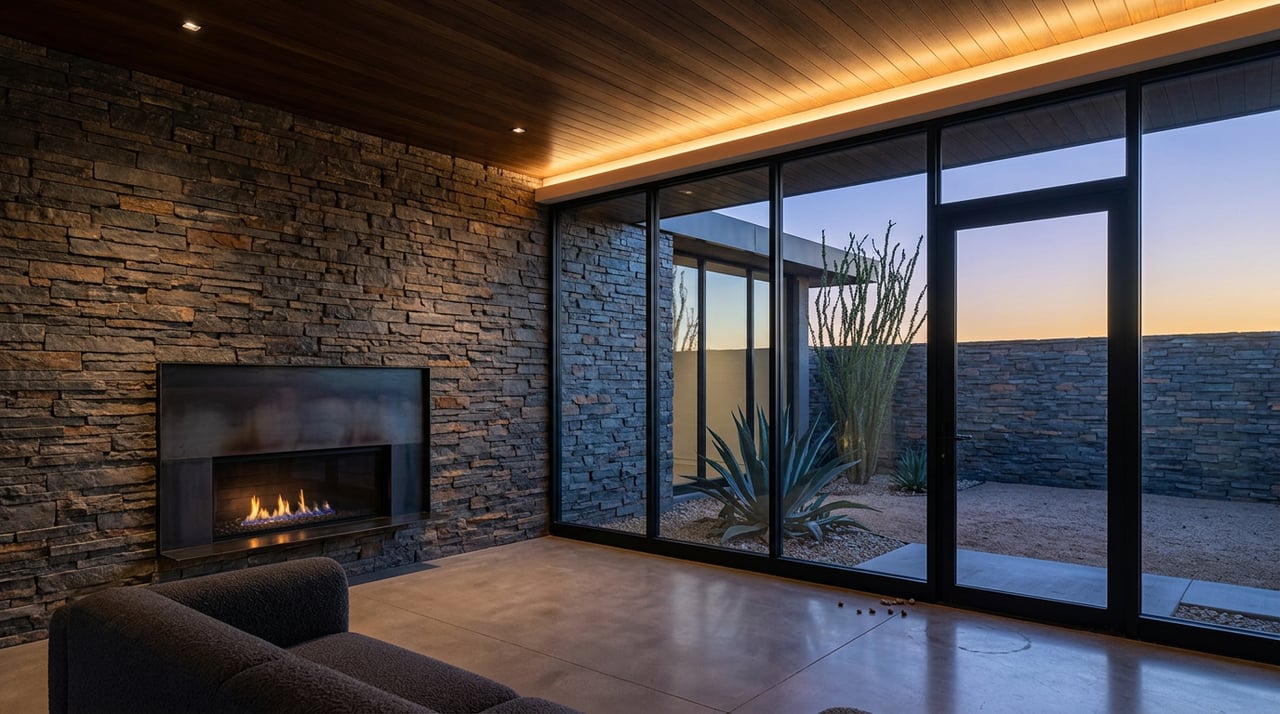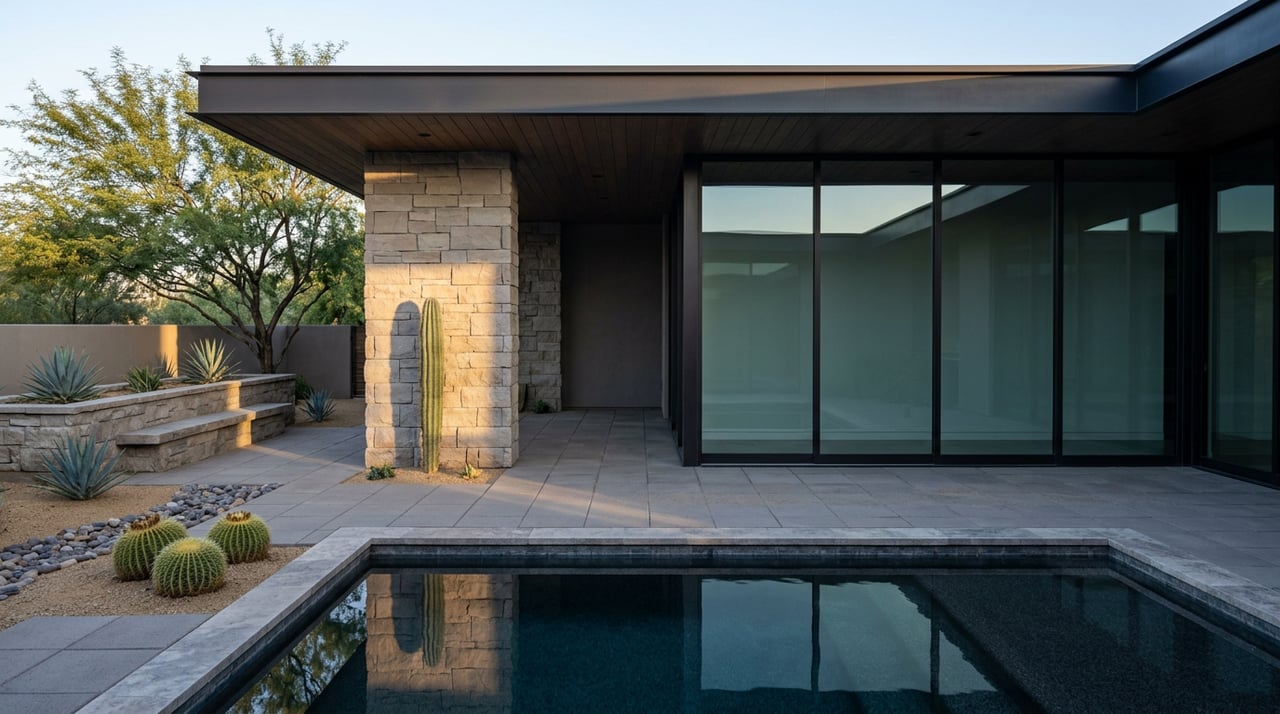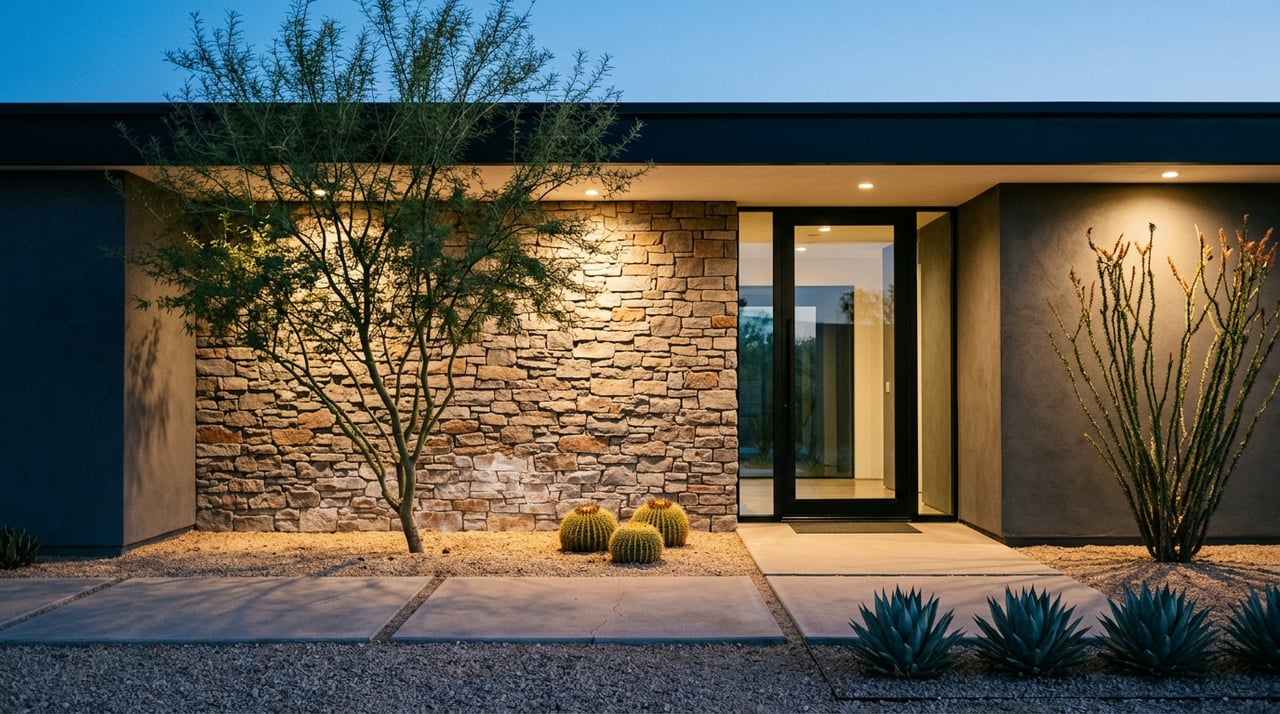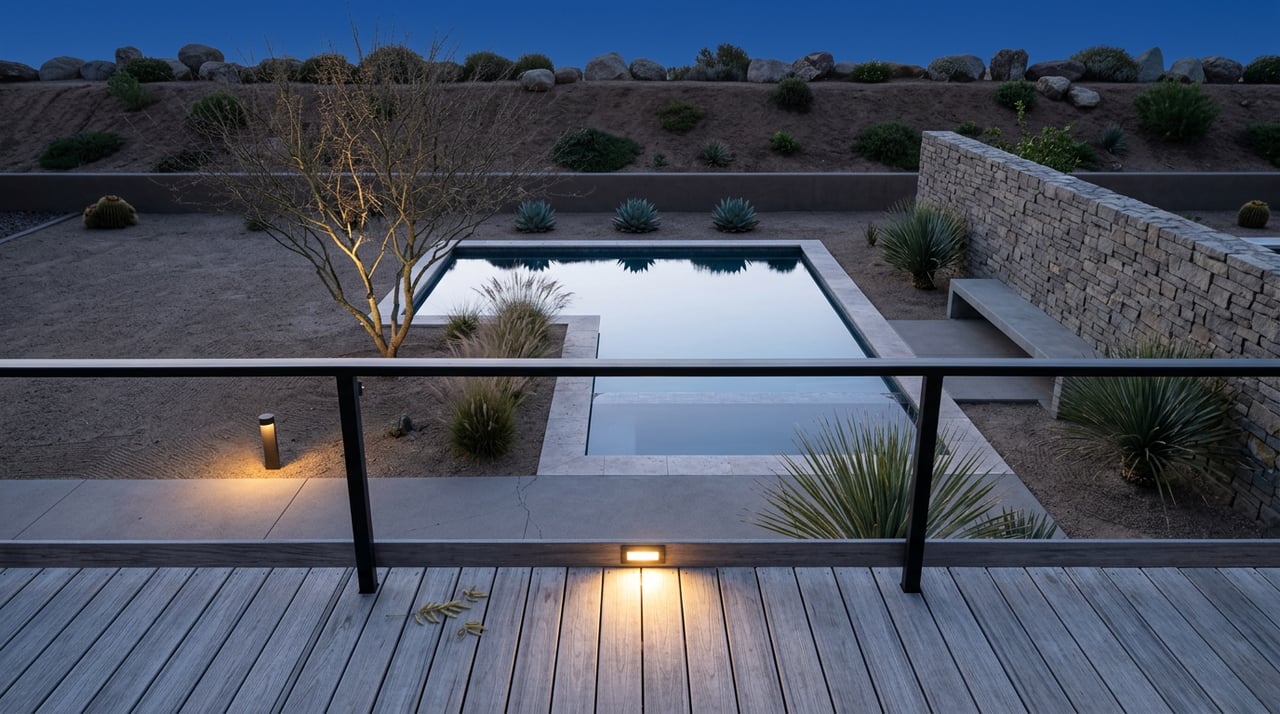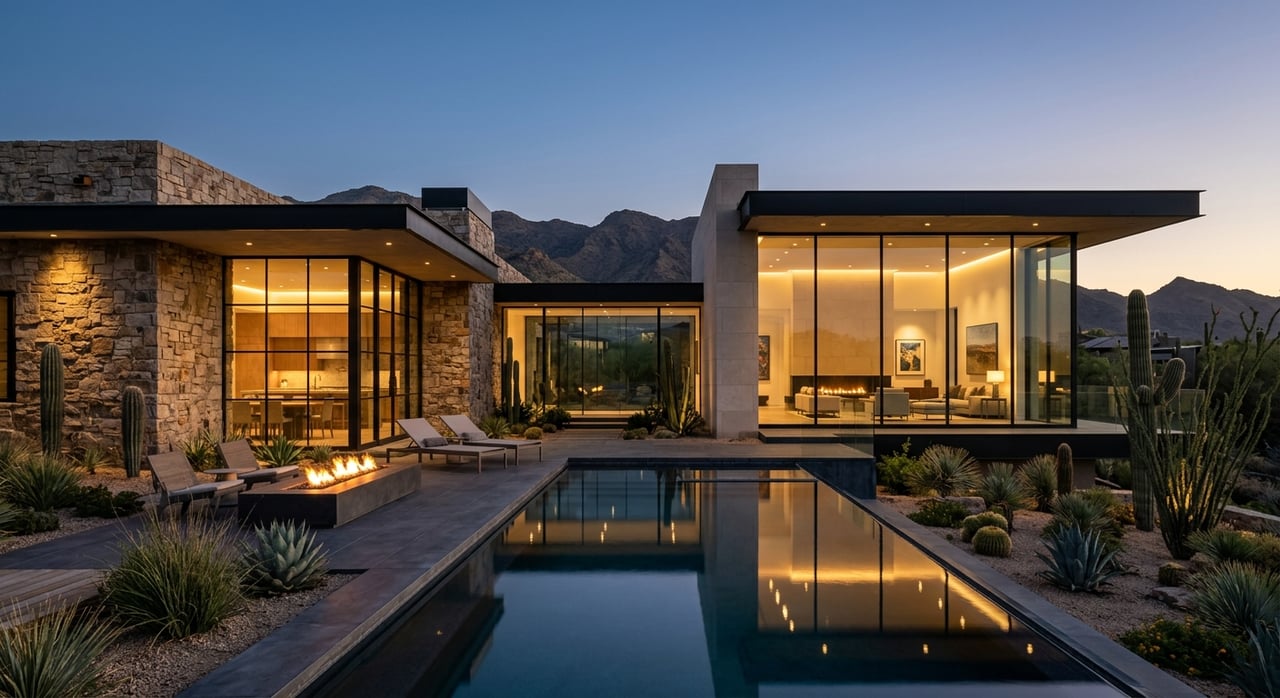
Wondering whether a Paradise Valley property is a candidate for a polished renovation or a full teardown? In a market where luxury expectations are high and lot value often drives the conversation, that choice can shape your timeline, budget, and resale outcome in a major way. If you are weighing an older estate, an inherited property, or an investment opportunity, this guide will help you think through the real factors that matter in Paradise Valley. Let’s dive in.
Why Paradise Valley Changes the Equation
Paradise Valley is not a typical suburban remodel market. According to the Town’s 2022 General Plan, the community is defined by low-density residential development, large lots, natural open space, and a strong emphasis on neighborhood character and aesthetics.
That matters because your decision is not only about the house. It is also about what the parcel can support while still fitting the town’s scale, open-space priorities, and development standards. In other words, the lot may be the true luxury asset.
The stakes are high in today’s market. Redfin’s Paradise Valley housing data reported a median sale price of $6.2 million in February 2026, while Realtor.com reported a February 2026 median home price of $5.125 million, 378 homes for sale, 74 median days on market, and a 98% sale-to-list ratio. While the numbers vary by methodology, both point to the same reality: small differences in design, layout, and presentation can carry meaningful pricing consequences.
When Renovating Makes Sense
A renovation tends to make more sense when the existing home already fits the lot well and can remain competitive with thoughtful updates. If the structure has strong scale, workable room placement, and a layout that can be improved without major structural intervention, renovating may offer a cleaner path.
This is often true when your goals are more focused, such as:
- updating finishes and materials
- improving kitchens and baths
- replacing aging systems
- opening select living spaces
- refining indoor-outdoor flow without major expansion
In Paradise Valley, renovation can be especially attractive if the house already sits comfortably within the town’s low-density context and the project can avoid major issues tied to height, setbacks, or hillside review. If the home has the right "bones," preserving and elevating it may protect both time and capital.
When a Teardown Is the Better Move
A teardown usually becomes more compelling when the lot has more value than the structure sitting on it. That can happen when the current home is functionally obsolete, poorly oriented on the site, difficult to reconfigure, or simply unable to compete with newer luxury inventory.
In practical terms, rebuilding may be the stronger choice when a new plan could deliver:
- a more efficient architectural layout
- better privacy and sight lines
- improved indoor-outdoor living
- stronger alignment with current luxury buyer expectations
- a more marketable finished product
In Paradise Valley, this strategy only works if the site can support a meaningfully better home while still complying with local rules. A larger vision is helpful, but the parcel, zoning, and approval path will determine what is realistic.
Start With the Lot, Not the Floorplan
Before you choose renovation or teardown, study the lot first. Paradise Valley zoning is highly specific to each parcel, and those details can quickly narrow your options.
The town’s zoning information shows minimum lot sizes ranging from 10,000 square feet in R-10 to 175,000 square feet in R-175. The R-43 district requires at least 43,560 square feet, and its stated purpose is to preserve low-density residential character, open space, and natural features.
That means the question is not simply, "Can you build bigger?" A better question is, "Can this site support a better home within the rules?" In many Paradise Valley decisions, that is the real dividing line.
Height and Massing Can Limit Expansion
One of the biggest reasons owners pivot from renovation to teardown, or the other way around, is massing. Paradise Valley’s Open Space Criteria place real limits on how a home can grow.
The code uses an imaginary plane that begins 16 feet above natural grade at the 20-foot setback line. Maximum height is generally 24 feet for lots under 3 acres, 26 feet for lots from 3 to under 4 acres, and 30 feet for lots 4 acres and larger.
For you, that can be a major design checkpoint. A second story, a steeper roofline, or a large addition may look feasible on paper but become difficult once height and open-space rules are applied. In some cases, a renovation can be constrained enough that a fresh plan makes more sense. In others, the restrictions may limit a rebuild too, making a disciplined renovation the smarter path.
Hillside Review Can Add Complexity
If the property is hillside designated, expect a more involved process. Paradise Valley’s Hillside Building Committee reviews new homes, remodels, additions, pools, solar, and accessory structures, with attention to land disturbance, height, grading, drainage, lighting, and materials.
The hillside review path can also require substantial documentation, including conceptual renderings, surveys, grading and drainage plans, landscape and lighting plans, material samples, elevations, and related site data. That does not mean a project is not worth pursuing. It does mean your timeline, team, and early planning need to be more disciplined.
For luxury sellers and investors, this is where due diligence matters most. A beautiful concept is only valuable if it can move through the town’s process efficiently and predictably.
What Demolition Really Adds
A teardown is not just a construction decision. It starts with permitting.
According to the town’s permit requirements, a demolition permit is required when more than 12 linear feet of wall or fence, or 12 square feet of roof structure, will be removed. The demolition permit must be obtained before the building permit is issued, and dust-control and native-plant documentation may also be required.
Budget-wise, demolition itself is often not the largest number. HomeGuide’s demolition cost data estimates house demolition at $4 to $10 per square foot, with average house demolition costs of $6,000 to $25,000. The larger financial question is what comes next, including site work, design, approvals, and the finish level of the replacement home.
Budget Ranges: Renovate vs. Rebuild
Early budgeting helps you avoid a false economy. What looks like a “lighter” renovation can quickly become expensive once structural changes, major systems replacement, and exterior rework enter the picture.
HomeGuide’s remodeling estimates place whole-house remodels around $15 to $60 per square foot and full gut-to-studs remodels around $60 to $150 per square foot. Structural changes can increase costs significantly.
For new construction, HomeGuide’s Arizona custom home guide estimates custom homes at roughly $300 to $550+ per square foot, excluding land and site prep. In a luxury Paradise Valley setting, premium finishes, design complexity, and approval requirements can push the real-world budget beyond baseline figures.
Architect fees should also be part of your first-pass math. HomeGuide’s architect fee guide estimates residential architect fees at 5% to 20% of construction costs, with hourly rates of $100 to $250. In Paradise Valley, design work is not a side note. It is often central to getting a project approved and positioned correctly.
A Practical Decision Framework
If you are stuck between the two paths, use this short framework.
Choose renovation if...
- the home already fits the lot well
- the layout can be improved without major structural overhaul
- the property can remain competitive with updated finishes and systems
- height, setback, or hillside issues make expansion difficult
- your timeline favors a more contained project scope
Choose teardown if...
- the lot is significantly more valuable than the current structure
- the existing layout is obsolete or inefficient
- major reconfiguration would approach rebuild-level cost
- a new home would better capture views, privacy, or indoor-outdoor living
- the parcel can support a much stronger luxury product within town rules
The Resale Question Matters
In a luxury market, the finished product has to compete, not just improve. That is why resale positioning should be part of the decision from day one.
If you renovate, ask whether the end result will feel intentional and current, not patched together. If you rebuild, ask whether the new design will truly justify the extra time, approval work, and capital. In Paradise Valley, buyers often notice plan quality, scale, and site integration immediately.
This is where design judgment and market judgment need to work together. The best choice is usually the one that respects the parcel, aligns with the town’s standards, and delivers a finished home that feels coherent in the Paradise Valley luxury landscape.
If you are evaluating a Paradise Valley property and want a clear, design-minded perspective on whether to renovate, reposition, or rebuild, Apex Residential can help you assess the opportunity with a practical eye toward marketability, project scope, and long-term value.
FAQs
Should you tear down or renovate a Paradise Valley luxury home?
- The better choice depends on the lot, the existing home’s layout and condition, zoning limits, height rules, possible hillside review, and whether the finished product can compete with current luxury inventory.
How strict are Paradise Valley height rules for remodels and rebuilds?
- Paradise Valley’s Open Space Criteria generally cap height at 24 feet for lots under 3 acres, 26 feet for lots from 3 to under 4 acres, and 30 feet for lots 4 acres and larger, with additional massing limits tied to an imaginary plane.
Do you need a demolition permit in Paradise Valley?
- Yes. The town states that a demolition permit is required when more than 12 linear feet of wall or fence, or 12 square feet of roof structure, will be removed, and that permit must come before the building permit.
Does hillside review apply to Paradise Valley renovation projects?
- It can. If the property is hillside designated, the Hillside Building Committee may review remodels, additions, new homes, pools, solar, and accessory structures.
What does it cost to remodel a luxury home versus build new in Arizona?
- HomeGuide estimates whole-house remodels at $15 to $60 per square foot, gut remodels at $60 to $150 per square foot, and Arizona custom homes at roughly $300 to $550+ per square foot before land and site prep.
Why does the lot matter so much in Paradise Valley real estate?
- Paradise Valley is a low-density luxury market with zoning, open-space, and aesthetic standards that can strongly influence what a parcel can support, making the site itself a major driver of value and strategy.