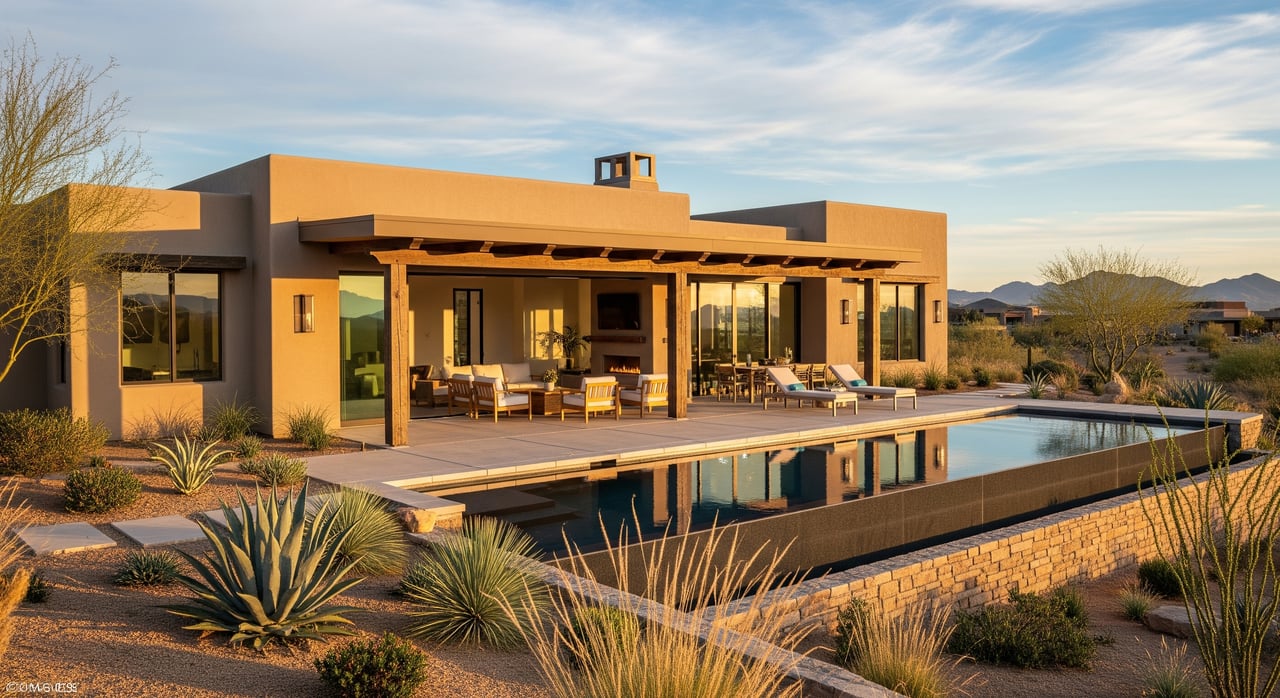
Thinking about a new-build home in West Valley Ranch but not sure where to start? You’re not alone. Between builder options, lot premiums, amenity timelines, and warranties, it can feel like a maze. This guide simplifies the process so you can evaluate communities with confidence, compare build paths, and choose the lot and plan that fit your lifestyle and budget. Let’s dive in.
West Valley Ranch at a glance
West Valley Ranch sits within the City of Peoria in Maricopa County. Local permits, utilities, school assignments, and property taxes are handled by these authorities, so you should verify municipal boundaries and service providers for any specific address before you sign a contract.
You’ll find a mix of national production builders and regional semi-custom options. Master-planned amenities are common, and many lots carry premiums for things like cul-de-sac placement, park adjacency, views, or solar-friendly orientation. Because builder lineups and phases change, always confirm current offerings and timelines directly with sales teams and the city.
How to survey active builders
Start by mapping the landscape. Your goal is to identify who is building, what they’re offering, and how their timelines and warranties compare.
- Check new-home listings through builder websites and regional new construction platforms, and review the local MLS for any spec homes.
- Verify builder licensing and complaint history with the Arizona Registrar of Contractors.
- Visit on-site sales offices and model homes. Ask for community maps, available lots, spec-home lists, and upgrade packages.
- Contact the City of Peoria Planning & Development for permit status, phasing details, and any approved community plans that affect amenities.
Builder types you’ll encounter
- Production builders: Standardized plans, faster build cycles, set option packages, and predictable pricing. You’ll trade some customization for speed and cost control.
- Semi-custom or regional builders: More design flexibility and lot customization, with longer timelines and higher base pricing.
- Custom or third-party builders: Rare inside a master plan, and require separate lot acquisition and extended permitting.
Smart questions to ask a sales rep
- Is the home an inventory spec or an on-order build?
- Which lots carry premiums and why?
- What counts as a structural upgrade vs a cosmetic upgrade?
- What is included in the warranty and when does it start?
- Who are the subcontractors for major trades like HVAC and roofing?
- What are the HOA fees, CC&Rs, and amenity opening timelines or assessments?
Floor plans and features you’ll see
Common layouts
- Single-story ranch plans with open great room and kitchen layouts are prevalent, and they appeal to one-level living.
- Two-story plans offer more square footage and often include lofts or flex spaces.
- Split-bedroom layouts separate the primary suite from secondary bedrooms for privacy.
- Flex rooms, dens, and occasional guest casitas are marketed for home office or multi-use needs.
Interior and exterior features
- Expect open kitchens with islands and pantry storage. Quartz or granite may be standard or an upgrade depending on the builder.
- You’ll often see big sliders and covered patios that connect to outdoor living spaces.
- Energy-efficient features are common, including high-efficiency HVAC, ENERGY STAR windows and appliances, and LED lighting. Many homes are solar-ready or offer optional PV systems.
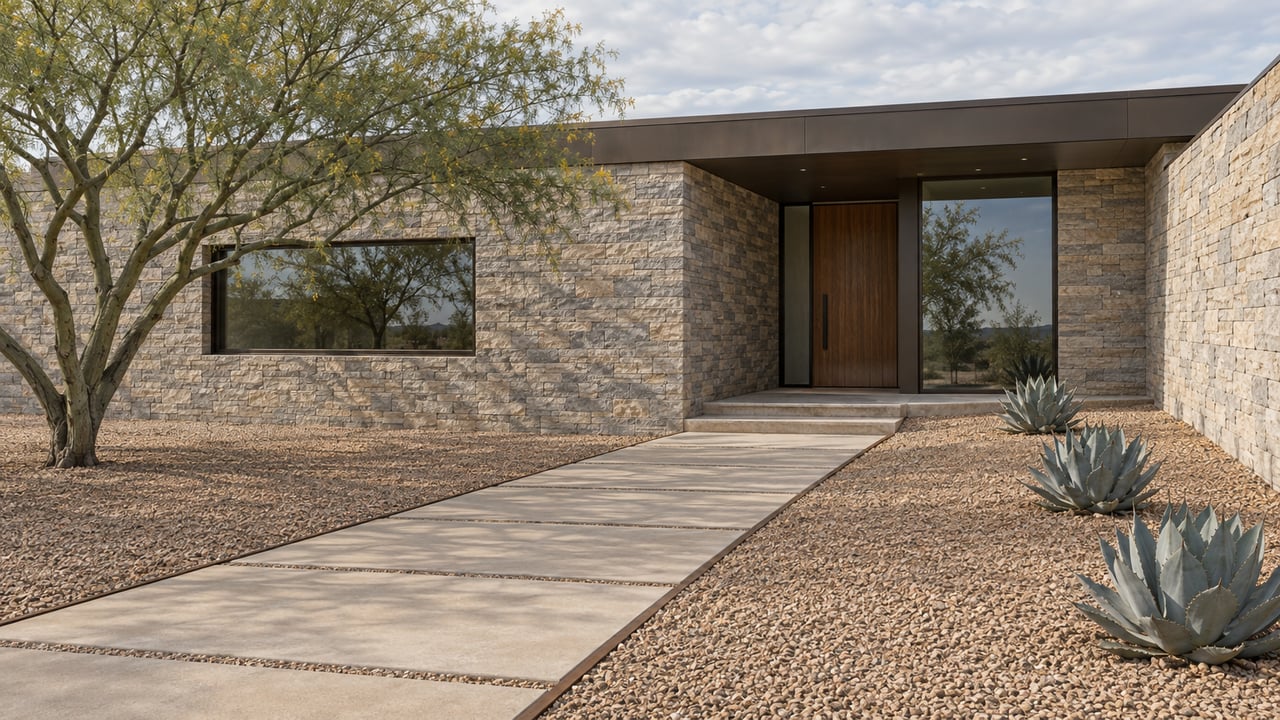
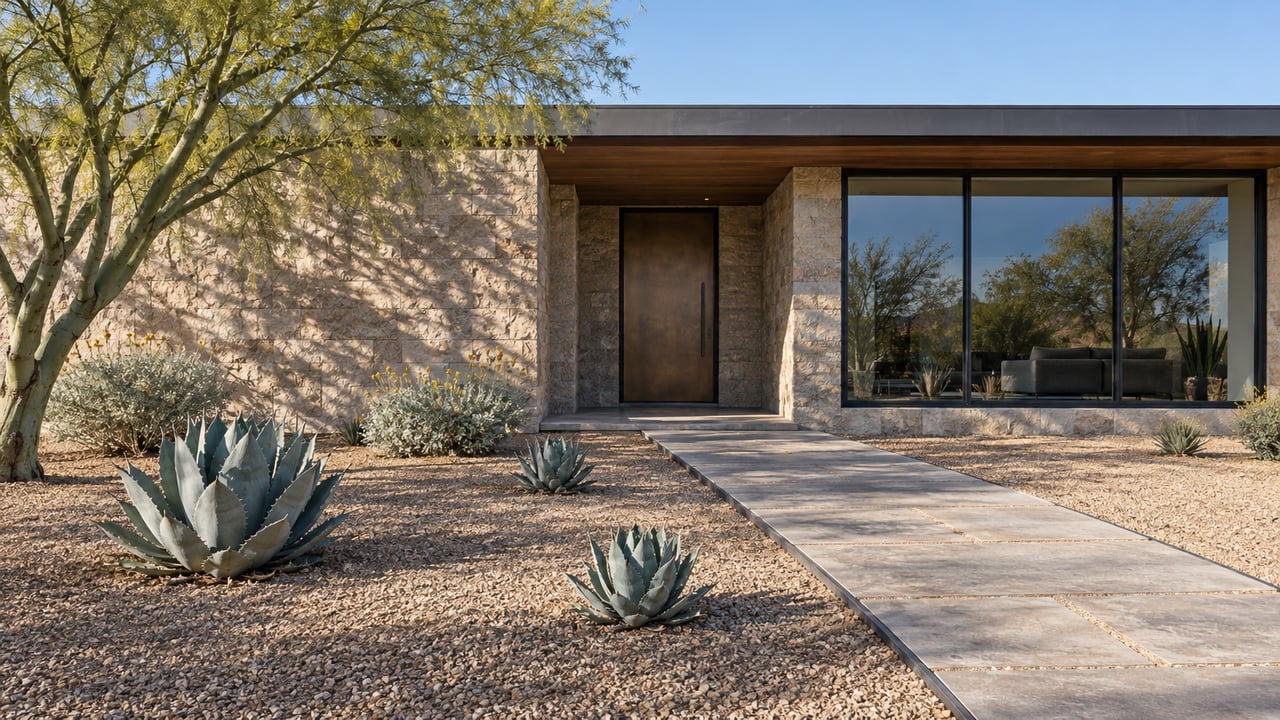
- Desert-forward landscaping is the norm. Builders usually control front-yard landscaping with xeriscape elements, while backyards may be left graded with a basic allowance.
Community amenities
Master-planned amenities typically include community pools, splash pads, fitness centers, playgrounds, trails, dog parks, and sport courts. Phasing is common, so confirm which amenities are planned, what’s funded, and projected opening dates in your HOA and community documents.
Choosing the right lot
Lot selection is where lifestyle, comfort, and long-term value intersect. Think beyond today’s price to how the lot will live over time.
Orientation and sun exposure
Southern and western exposures pick up more afternoon sun, which affects heat and cooling loads. If you want to maximize passive solar or plan for PV, evaluate roof pitch and orientation during your lot review.
Noise, proximity, and views
Lots near parks or pools are convenient but can be busier. Parcels near arterial roads or freeway ramps may have elevated noise and air-quality considerations. Premiums often apply for view lots, preserve frontage, or lots backing a wash. Also evaluate grading; steeper sites can add cost for foundation or retaining work.
Utilities and infrastructure
Confirm providers for water, sewer, electric, gas, and internet. Ask where meters, transformers, streetlights, and irrigation lines will sit on or near the lot. These can influence yard use and sightlines.
HOA and regulations
Get the CC&Rs, design guidelines, and fee schedule before you commit. Review rules on exterior colors, fences, RV parking, and landscaping choices. Ask about special assessments or future phases that may affect construction staging and value.
Timeline, from contract to close
Typical build ranges
- Inventory spec homes: Immediate delivery to roughly 3 months, depending on final finishes and inspections.
- Production on-order builds: About 4 to 9 months from lot selection to close, depending on permit status and builder workflow.
- Semi-custom or custom: Often 9 to 18 months or more, including plan approval and permitting.
What can extend schedules
Permitting and municipal reviews, supply-chain disruptions, weather, and subcontractor scheduling are the usual suspects. Builders may prioritize finishing inventory homes ahead of on-order builds in some cycles.
How to protect your timeline
- Get a written construction schedule with clear milestones like foundation, framing, drywall, and final punch.
- Ask about remedies for delays and how concessions are handled.
- If you need construction-to-permanent financing, build in time for inspections and draws. Standard purchase loans for spec homes generally move faster.
Warranty and walkthroughs
What to expect in warranties
Many builders use a 1-2-10 style framework: 1 year for workmanship, 2 years for major systems, and 10 years for structural components. This is common but not guaranteed, so request the written warranty and confirm the start date at closing or certificate of occupancy. Ask who administers service requests and typical response times.
Key walkthroughs to schedule
- Pre-drywall walkthrough, if allowed, to view framing, electrical runs, and plumbing locations.
- Final pre-close walkthrough to test systems, review finishes, and create a punch list.
- An 11-month walkthrough before the one-year mark to capture items under the workmanship period.
Consider hiring an independent home inspector for the final walkthrough and again around 11 months. A second set of eyes can surface issues you might miss.
Punch-list essentials
- Interior finishes: paint, caulk, grout, trim, cabinet alignment, and hardware.
- Doors and windows: smooth operation, seals, screens, locks, and weatherstripping.
- Floors: tile grout, transitions, and surface scratches.
- HVAC: thermostat function, start and stop cycles, and condensation lines.
- Plumbing: leaks under sinks, drains, water pressure, faucet operation, and water heater performance.
- Electrical: switches, GFCI outlets, fixtures, and fans.
- Exterior and drainage: grading away from foundation, downspouts, irrigation, exterior paint or siding, and garage door operation.
- Appliances: run all cycles and confirm manuals and warranty cards.
Documentation and dispute steps
Keep written records of all warranty requests, responses, and photos. If issues are not resolved through the builder’s process, review warranty procedures and consult state resources like the Arizona Registrar of Contractors.
Commuting and Loop 101 access
The Loop 101 is a key corridor for West Valley commutes and connections to other employment centers. Proximity can shorten drive times and help resale, but homes near ramps or interchanges may experience more noise.
Practical evaluation steps:
- Map the nearest 101 interchanges and test peak-hour drive times to your regular destinations.
- Visit prospective lots during commute windows to gauge traffic and sound.
- Ask about any planned roadway projects through the city or ADOT that could change future patterns.
- If you’re near the 101, discuss noise-mitigation options like fencing, setbacks, or acoustic windows, and confirm any HOA rules that affect landscape buffers.
Financing, taxes, HOA, and resale
Financing paths
Spec homes usually follow standard purchase underwriting. On-order builds may require construction-to-permanent loans or builder-assisted financing structures. Builders often offer incentives such as rate buydowns or closing-cost credits. Compare these to potential price reductions and think long term about total cost.
Taxes and assessments
New homes can see assessed values adjust in early years. Check current tax rates and estimates with the Maricopa County Assessor. Ask whether any special districts or assessments apply in the community.
HOA fees and CC&Rs
Confirm monthly dues, what the HOA covers, and any transfer or special fees. Review rental policies, exterior alteration limits, and maintenance responsibilities so there are no surprises.
Resale factors
Lot quality, commute access, amenity follow-through, and school assignments often influence resale value. Communities with delivered amenities and active associations can command premiums, but there is risk if promised amenities are delayed. Choose your lot and plan with future marketability in mind.
Quick buyer checklist
Use this condensed list as you tour and compare communities:
- Confirm whether each option is a spec home or on-order build.
- Request a current lot map, written list of lot premiums, HOA CC&Rs, and the full warranty.
- Verify permit status and expected certificate-of-occupancy timing with the City of Peoria.
- Ask for standard vs upgraded finish packages and brand details; compare square footage apples-to-apples.
- Schedule an independent inspection for your final walkthrough and again near month 11.
- Test commute times during peak hours and visit the lot at different times of day to evaluate noise and sun exposure.
- Confirm utility providers and the placement of meters or transformers that may affect yard use.
- Compare financing incentives to price adjustments and understand how each affects your long-term cost.
Thinking about your next move in West Valley Ranch? You deserve guidance that blends practical construction insight with design-forward advice. If you want a clear path from model-home tour to confident close, connect with Apex Residential. Find Your Private Paradise.
FAQs
What should I know about builders in West Valley Ranch?
- Expect a mix of production and semi-custom builders, each with different timelines, upgrade structures, and warranty terms; verify licensing, current inventory, and permits before you commit.
How long does a new-build typically take in Peoria’s West Valley?
- Spec homes can be immediate to about 3 months, production builds commonly run 4 to 9 months, and semi-custom or custom projects often span 9 to 18 months or more.
Which lot factors matter most for long-term comfort?
- Orientation, proximity to roads or amenities, views and grading, and location of utilities all affect daily living, energy use, and resale potential.
What amenities are typical in master-planned communities here?
- Community pools, splash pads, fitness centers, playgrounds, trails, dog parks, and sport courts are common, though many open in phases; verify schedules in HOA documents.
How do new-home warranties usually work?
- Many builders follow a 1-2-10 approach covering workmanship, major systems, and structural components; always get the exact written warranty and confirm the start date.
How does Loop 101 access impact value and livability?
- Close access can shorten commutes and support resale, but lots near interchanges may have more noise; visit the site at commute times and discuss mitigation options with the builder.