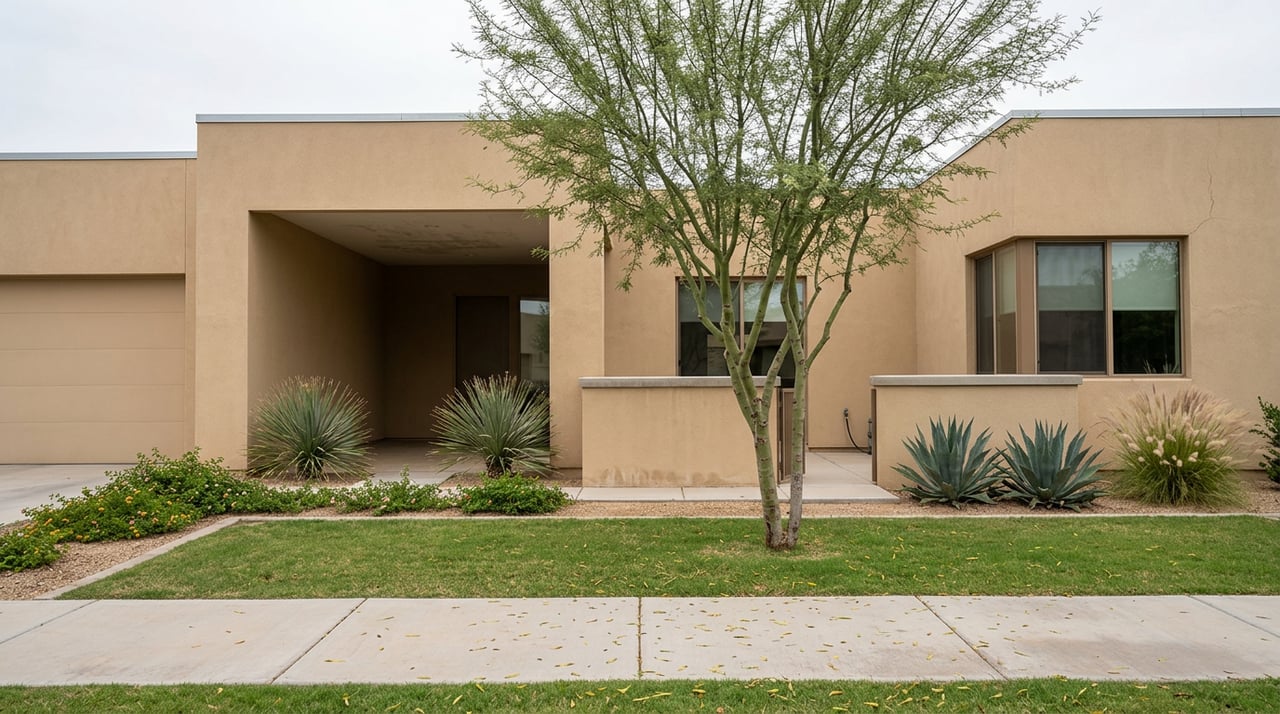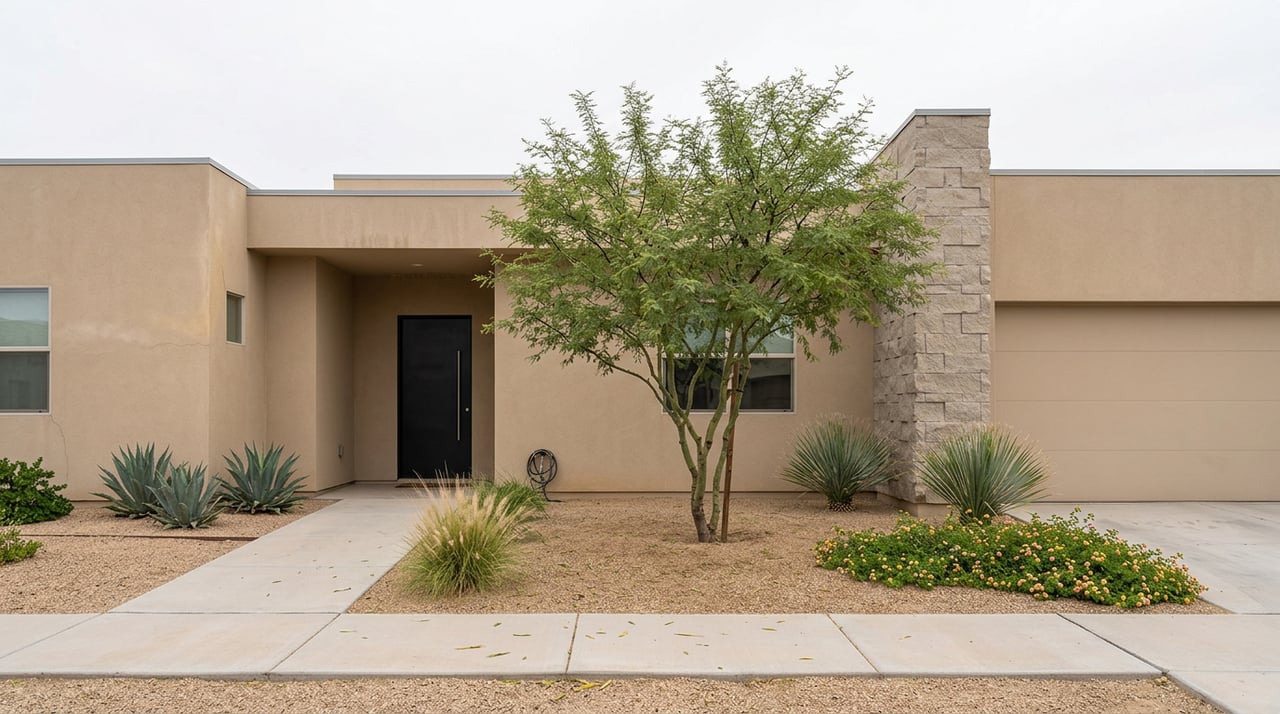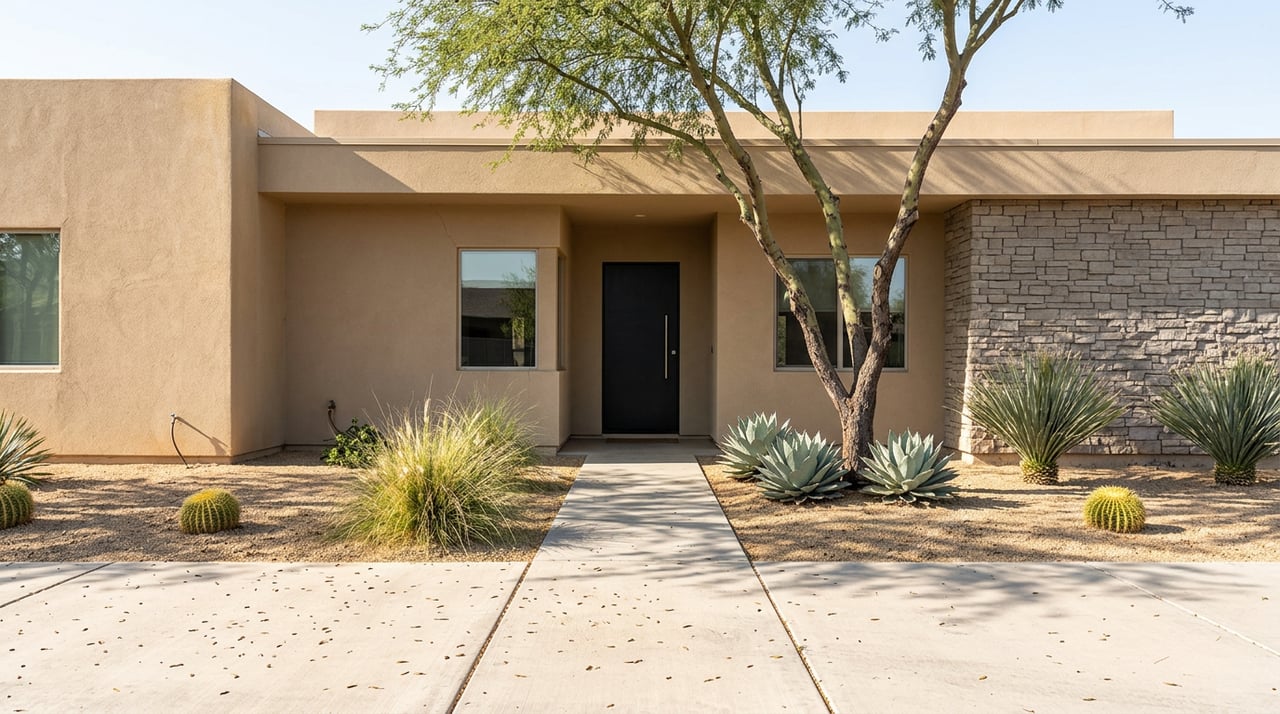
Should you buy a brand-new build or a well-kept resale if you love West Valley Ranch? It is a smart question, especially when you want the right mix of value, timing and peace of mind. In this guide, you will get a clear look at price dynamics, incentives, warranties, landscaping and HOA expectations, timelines, customization, and long-term value so you can choose with confidence. Let’s dive in.
West Valley Ranch snapshot
West Valley Ranch is an established Peoria subdivision where many homes were completed in the mid-2000s. You will find it functions like a stable resale neighborhood, not a brand-new master plan. That means you are often choosing between a mature resale in the community and newer construction in nearby areas of Peoria rather than inside West Valley Ranch itself.
Example listings in the area show monthly HOA dues commonly in the low $70–$80 range, typically for common-area maintenance. Exact dues and rules vary by community governance, so request the full HOA packet, budgets and CC&Rs during due diligence. To locate the association and confirm documents, consult the West Valley Ranch HOA reference page and then obtain official materials directly from management. You can use this listing-style directory as a starting point: West Valley Ranch homeowners association overview.
New build vs resale: what changes
Price per square foot
Across the Phoenix metro, many new homes trend to a median price per square foot in the mid-$200s, depending on product, lot and builder. Resale homes in and around West Valley Ranch often overlap these ranges but can price up or down based on condition, yard, pool and upgrades. The cleanest way to compare is to look at three sets of data side by side: closed sales in West Valley Ranch over the last 90 days, nearby quick-move-in specs, and active new community base prices. Your agent can pull a current comp set so you are comparing apples to apples.
Builder incentives and your bottom line
Production builders around Phoenix and Peoria frequently offer meaningful concessions. You will see temporary or permanent rate buydowns, closing-cost credits, design-center or upgrade credits, and sometimes included landscaping or appliance packages. These incentives are time-sensitive and often tied to preferred lenders. For a plain-English primer on how these credits work in Arizona, review this overview of common seller and builder concessions.
Pro tip: compare total cash to close, the structure of any buydown, and the value of included upgrades against what you might negotiate on a resale. A lower advertised payment can look great, but the real win is the full cost picture over your expected hold period.
Warranty coverage and peace of mind
Many builders use a “1-2-10” warranty framework: typically one year for workmanship, two years for systems like HVAC, plumbing and electrical, and 10 years for major structural items. Coverage and start dates vary, so always read the actual policy and confirm transferability. For an at-a-glance explainer, see the 1-2-10 builder warranty overview. On a resale, you can ask for a third-party home warranty during negotiations, but you will rely more on inspections and seller disclosures to understand condition.
Consider scheduling an 11-month walkthrough on new construction to address workmanship items before the one-year window expires. It is a small step that can protect your investment.
Landscaping, water use and HOA details
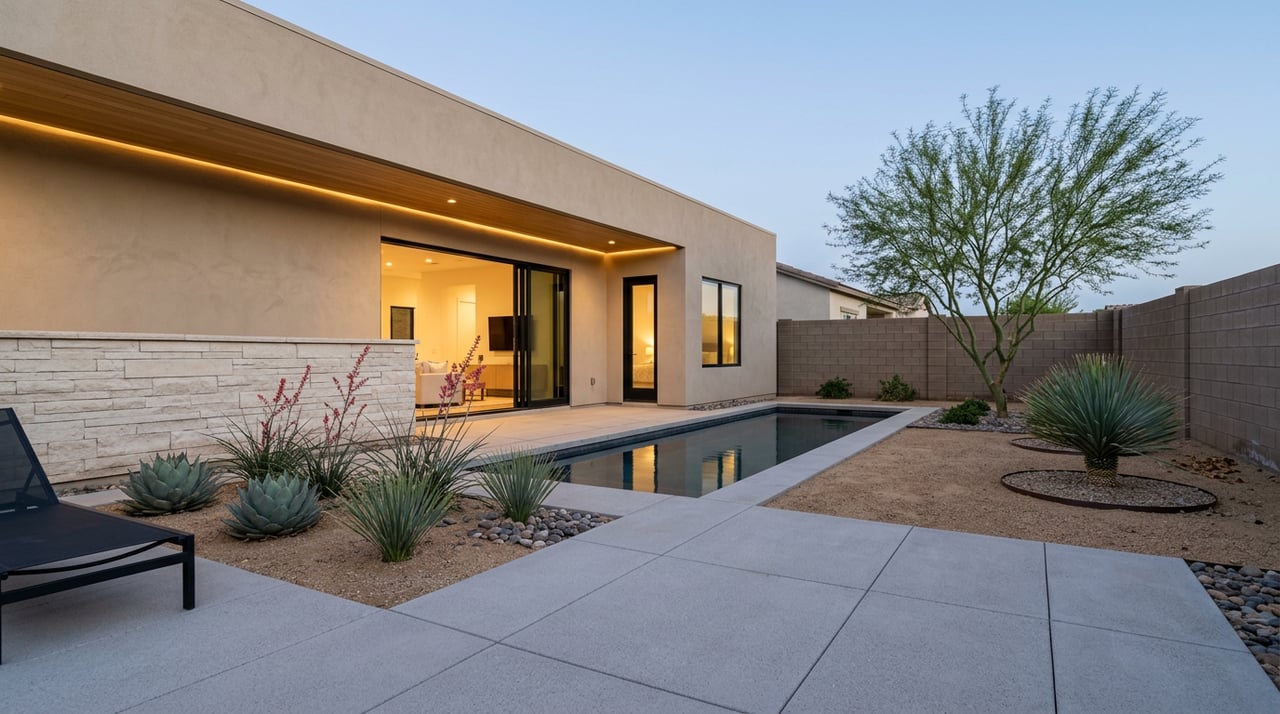
New homes in the Phoenix area often include basic front-yard landscaping with irrigation, while the backyard may be minimal unless you pay for an upgrade. Resale homes in West Valley Ranch frequently offer mature shade, established xeriscape, and sometimes built-in outdoor living features or pools. In a desert climate, these elements can be a real lifestyle and value boost.
Whichever route you choose, plan for water-wise decisions. Arizona agencies recommend drip irrigation, native plants and seasonal watering schedules. This short primer from the University of Arizona’s extension is a useful starting point on watering choices in our climate. Also confirm HOA guidelines on front-yard treatments, hardscape and any tree requirements, and review whether the HOA maintains any landscape areas adjacent to your lot. Use the West Valley Ranch HOA directory entry to identify the manager, then request the official packet before you commit.
Timelines: how fast can you move
If you need to move soon, this may be the deciding factor.
- Quick-move-in spec homes: often weeks to a few months, depending on inventory.
- New builds from dirt: commonly 7–11 months for production homes once permits are ready. See an overview of typical construction timelines here.
- Resale purchases: financed deals often close in about 30–45 days after contract acceptance, with cash even faster.
Ask for a written schedule on any new build with milestones and remedies for delays, especially if you have a lease end date or a home to sell.
Customization and upgrade strategy
New construction lets you pick finishes and, in earlier phases, even structural options and lot location. Builders may offer “pick your perk” promotions that let you choose between design credits and rate buydowns. Be clear about what is included versus an upgrade, and price out any must-haves before you sign.
With resale, you trade design optionality for immediacy. If you plan to renovate, map a realistic scope, timeline and permit path. Many buyers choose resale when lot size, mature trees or a private pool matter most, then make targeted interior updates after closing.
Financing, appraisals and valuation
Spec and quick-move-in homes typically finance like a normal purchase, while true custom builds can require construction-to-permanent financing or staged draws. Builders often tie their largest incentives to a preferred lender. Understand the terms in writing and compare them with an outside quote. For a plain-language overview of construction lending mechanics, review this guide to financing a build on your land.
On appraisals, new construction may be appraised on a completed-value basis. If nearby comps are older or smaller, valuation can hinge on the appraiser’s adjustments, the cost breakdown and the quality of the comp set. Your agent should prepare a thoughtful package for the lender and appraiser.
Long-term value and ongoing costs
Over time, location and lot quality drive value more than “newness.” National indices show steady long-run growth despite short-term cycles. For context on recent price trends, see the FHFA home price index update.
Budget for ownership, too. A common rule of thumb is setting aside about 1–3 percent of home value per year for maintenance, depending on age and features. Here is a quick explainer on how homes perform over time and why budgeting matters: do homes appreciate or depreciate. If you plan to renovate a resale, focus on smart, modest updates with broad appeal. Industry cost-versus-value research consistently shows that targeted improvements like curb appeal and minor kitchen refreshes tend to recover better at resale than highly customized luxury projects. For perspective on ROI patterns, see this renovation ROI overview.
Quick decision guide
Choose new construction if you:
- Want builder-backed warranty coverage and modern systems.
- Value selecting finishes or a specific floor plan, and you are comfortable with a longer timeline if building from scratch.
- Can leverage credible incentives that lower your true cost of ownership.
Choose resale in West Valley Ranch if you:
- Prefer mature landscaping, established outdoor living, or a pool already in place.
- Need a shorter move-in timeline with clear neighborhood comparables.
- Want the option to renovate selectively over time and control budget.
Your next steps
Use this simple plan to compare options like a pro:
- Pull neighborhood comps: review closed sales in West Valley Ranch from the last 90 days, plus two to three nearby new-build specs. Look at $/sq ft, lot size, pool, year built and condition.
- Verify incentives: visit builder sales centers near Peoria to confirm current credits, buydowns and included features. Get terms in writing and note any preferred-lender requirements.
- Get the HOA packet early: request CC&Rs, rules, budgets and recent minutes. Use the West Valley Ranch HOA reference to find the manager, then obtain official documents.
- Compare true cost: model total cash to close, monthly payment with or without buydown, likely maintenance and any planned upgrades over your hold period.
- Review warranties: read the full builder warranty and clarify start dates and transfer rules. Plan an 11-month walkthrough if you buy new. See the 1-2-10 warranty basics for a framework.
- Align timelines: match your lease, sale or move necessities to realistic build or close dates. Reference this overview of how long a build can take.
Ready to weigh specific properties and numbers side by side? You can reach out to our team for a quiet, detail-first consultation on West Valley Ranch and nearby new-build options. We will help you compare incentives, warranties and value drivers so you can move forward with clarity. Connect with Apex Residential to get started.
FAQs
What is the typical HOA fee in West Valley Ranch?
- Example listings often show monthly dues in the low $70–$80 range for common-area maintenance, but fees and rules vary. Always confirm by requesting the official HOA packet from management. You can start your outreach using this West Valley Ranch HOA directory entry.
How do builder rate buydowns work in Peoria?
- Builders commonly offer temporary or permanent rate buydowns, closing-cost credits and design-center credits, often tied to a preferred lender. Get the exact terms and compare total cost over your expected hold. For a clear overview, see Arizona concession types.
What does a 1-2-10 new-home warranty cover?
- Many programs provide 1 year for workmanship, 2 years for systems and 10 years for major structural items. Always review the specific warranty document and confirm start dates and transferability. Learn the basics here: 1-2-10 warranty overview.
How long does new construction usually take near Peoria?
- Production builds commonly take about 7–11 months from permits to completion, with quick-move-in specs available in weeks to a few months. For a timeline explainer, see how long it takes to build a house.
How should I compare long-term value between new and resale?
- Focus on lot quality, location and a realistic maintenance plan. National indices show steady long-run growth; budget roughly 1–3 percent of value per year for upkeep, adjusting for age and features. See the FHFA price index and this overview of appreciation and budgeting.